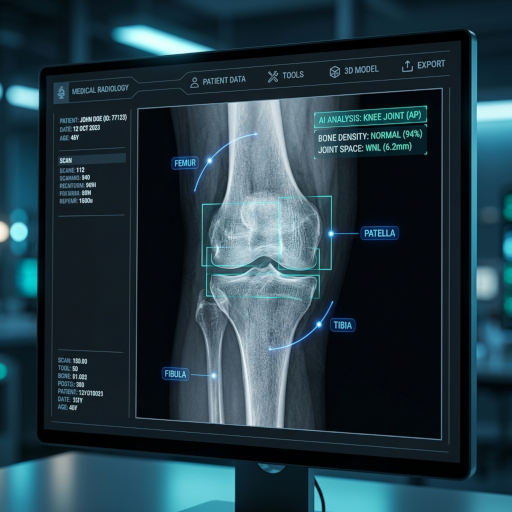
AI Sinus X-ray Interpretation

Get help understanding what your sinus X-ray shows in plain language. Clear explanations of the paranasal sinuses, mucosal thickening, and air-fluid levels associated with sinusitis.

Helping thousands of people understand their sinus X-ray results

AI SINUS X-RAY ANALYSIS
Interactive Demo
CT-Read Sinus AI v3.2
AI-powered sinus X-ray interpretation example
How It Works

This tool identifies the paranasal sinuses on X-ray and provides simple explanations of common findings such as sinusitis or air-fluid levels.

What is a Sinus X-ray Interpretation?

A sinus X-ray (often a Waters' view) is a screening imaging test for the paranasal sinuses. CT Read helps you understand the appearance of your maxillary, frontal, ethmoid, and sphenoid sinuses, including signs of inflammation or fluid.

Maxillary Sinuses

Located in the cheek bones, maxillary sinuses are the most commonly affected by sinusitis. Mucosal thickening or air-fluid levels here are key findings.

Frontal Sinuses

Located above the eyebrows, frontal sinuses can show opacification or air-fluid levels with frontal sinusitis. Their development varies by age.

Ethmoid and Sphenoid Sinuses

These deeper sinuses are partially visible on plain X-ray. CT scans are typically needed for detailed evaluation, but X-ray can still suggest pathology.

Air-Fluid Levels and Opacification

Horizontal air-fluid levels strongly suggest acute sinusitis with retained secretions. Diffuse opacification can indicate chronic sinus disease or polyps.

Sinus X-ray Interpretation Made Easy

The X-ray interpretation tool helps you understand basic sinus X-ray findings using simple language.

Simple Explanations for Sinus X-ray

Receive clear, jargon-free explanations of what your sinus X-ray reveals.

Educational Focus on Sinus Anatomy

Learn the basics of paranasal sinus anatomy and common findings of sinusitis.

Peace of Mind with Sinus X-ray Interpretation

Reduce anxiety by gaining a basic understanding of your sinus X-ray results before discussing them with your doctor.

How to Use the Sinus X-ray Interpretation Service

Four simple steps to get a sinus X-ray interpretation report through the AI analysis system:

1

Upload Sinus X-ray

Upload your sinus X-ray image (Waters' view is preferred) to the secure interpretation platform.

2

AI Interpretation Processing

The AI system analyzes the sinuses, looking for opacification, mucosal thickening, and air-fluid levels.

3

Generate Detailed Interpretation

The system generates an easy-to-understand interpretation report with findings and explanations.

4

View and Share Interpretation

View the results and optionally share the report securely with your doctor or ENT specialist.

Understand Your Sinus X-ray

Upload your sinus X-ray image to get an easy-to-understand explanation

レントゲン、CT、MRI、超音波

What can a sinus X-ray detect?

Sinus X-rays (Waters', Caldwell, lateral views) evaluate the maxillary, frontal, ethmoid and sphenoid air-filled cavities of the face. While CT has largely replaced X-ray for detailed sinus assessment, plain films still provide useful screening information.

Acute sinusitis with air-fluid level

A horizontal air-fluid level in the maxillary sinus on an upright Waters' view is a classic sign of acute bacterial sinusitis, often warranting antibiotic treatment.

Mucosal thickening and chronic sinusitis

Mucosal thickening greater than 5 mm or complete sinus opacification suggests chronic inflammation, which may need ENT evaluation and CT for endoscopic surgical planning.

Sinus polyps and retention cysts

Smooth, dome-shaped opacities in the maxillary sinus often represent benign mucous retention cysts. Larger or irregular polyps may warrant endoscopy.

Facial fractures (zygomaticomaxillary, nasal, orbital)

The Waters' view is the standard screening film for facial trauma — it shows orbital floor disruption ("tear-drop sign"), zygomatic arch fractures, and nasal bone displacement.

Foreign bodies and dental pathology

Radio-opaque foreign bodies in the sinus or nasal cavity, displaced dental roots into the maxillary sinus, and odontogenic cysts can all be identified.

Sinus opacification of unclear origin

Complete opacification of one sinus with bony destruction is concerning for sinonasal tumor or invasive fungal sinusitis and requires urgent CT/MRI follow-up.

When is a sinus X-ray indicated?

CT is now the imaging of choice for most sinus complaints, but X-ray remains useful for screening when CT is not available.

  1. 1

    Acute facial pain, fever and purulent nasal discharge

    When acute bacterial sinusitis is suspected and CT is not immediately available, a Waters' view can confirm an air-fluid level and support antibiotic therapy.

  2. 2

    Facial trauma with possible mid-face fracture

    Waters', Caldwell and lateral views screen for orbital floor "blow-out" fractures, zygomatic arch fractures and nasal fractures.

  3. 3

    Chronic sinus symptoms unresponsive to treatment

    Persistent congestion, headache or post-nasal drip lasting more than 12 weeks may warrant imaging — though CT is preferred.

  4. 4

    Suspected dental-sinus communication

    After tooth extraction or root canal, X-ray can detect oroantral fistulas or displaced dental fragments in the maxillary sinus.

  5. 5

    Suspected foreign body in nose or sinus

    Especially in children, plain X-rays detect radio-opaque foreign bodies (button batteries, magnets, metal) that need urgent removal.

Sinus X-ray vs CT vs MRI vs endoscopy

Sinus CT has become the modern standard for most situations; X-ray remains a useful screening tool.

Imaging modalityBest at showingLimitationsCost & access
Sinus X-rayAir-fluid levels, opacification screening, foreign bodies, basic facial traumaMisses most ethmoid/sphenoid pathology; cannot detail osteomeatal complexLow cost, fast
Sinus CT (low-dose)Detailed evaluation of all sinuses, surgical planning, polyps, tumorsHigher radiation than X-ray (~0.6 mSv); higher costMid cost
Sinus MRISuspected tumor, fungal sinusitis, intracranial extensionNot first-line; expensive; no bone detailHigh cost
Nasal endoscopy (ENT clinic)Direct visualization of nasal passages and meatus, biopsy, polyp removalOnly sees what is visible through scope; not imagingMid cost; requires specialist

How to prepare for a sinus X-ray

Sinus X-rays need no fasting or medication changes.

Remove all facial jewelry, hair pins and glasses

Metal in the X-ray field appears bright white and can hide a fluid level or fracture.

Remove dentures or removable orthodontics

Dentures contain metal clasps that can obscure maxillary sinus floor and dental roots.

Stand upright if possible

Upright Waters' views are essential to demonstrate air-fluid levels — supine films can hide them and miss the diagnosis of sinusitis.

Tell the technician if pregnant

A sinus X-ray exposes the fetus to <0.01 mSv, but lead shielding of the abdomen is standard.

Limitations of AI sinus X-ray interpretation

Plain sinus X-rays have inherent limitations — even expert radiologists miss many findings that are obvious on CT.

  • Ethmoid and sphenoid sinuses are poorly visualized: These sinuses lie behind other structures and overlap on plain film. Disease in these sinuses is often missed without CT.
  • Cannot replace CT for surgical planning: Endoscopic sinus surgery requires detailed CT mapping of the osteomeatal complex, anatomic variants and skull base — X-ray and AI report are insufficient.
  • Tumors and complications need MRI: Intracranial complications, orbital cellulitis, and sinonasal tumors require contrast-enhanced MRI for full evaluation.

CT Read AI sinus X-ray interpretation is for educational use only and does not replace ENT consultation or sinus CT.

AI Sinus X-ray Interpretation FAQs